Spiders bring mixed feelings to a household. Most are helpful, silent hunters that cut down on flies and gnats. A few can bite, and even the harmless species leave webbing, egg sacs, and panic in the bathroom at 6 a.m. The difference between a home that occasionally hosts a stray spider and a home that supports a growing population comes down to conditions. As a pest exterminator, I’ve crawled under decks, opened attic scuttles, and cleared crawlspaces packed with webs that looked like fog caught in lumber. The work teaches you what actually controls spiders, what products help, and when to call a professional pest control service rather than swatting and hoping for the best.
What draws spiders indoors
Spiders follow their prey. If you are battling gnats around the sink, pantry moths in the kitchen, or silverfish in a damp closet, expect webbing nearby. Light at night pulls moths and flying insects toward windows and entry doors, which then attracts web builders to those same areas. Warmth matters in colder months, especially in garages and basements where the temperature stays a few degrees higher than outdoors. Moisture is a magnet too. I routinely find the highest spider pressure in laundry rooms with old supply lines, crawlspaces with marginal vapor barriers, and bathrooms with poor ventilation.
People often blame a single spider they saw for an infestation, but population growth usually points to structural and sanitation conditions. Cracked door sweeps, torn screens, foundation gaps where utilities enter, and clutter that creates harborage all play a part. If the home offers food, moisture, and shelter, spiders do not need much else.
Sorting helpful from harmful
From a pest management standpoint, the question is not whether to kill every spider. It is which species require action and which are better left alone outdoors. Orb weavers and cellar spiders rarely bite, and their presence can signal an underlying insect problem rather than a spider problem. Wolf spiders startle people because they sprint across floors at night. They are hunters, not web builders, and they tend to wander in through gaps at grade level. The two species that cause most concern across the United States are black widows and brown recluses. Both prefer hidden, undisturbed spaces, which makes garages, sheds, and storage rooms common hot spots.
Since misidentification causes panic, a quick rule of thumb helps. Black widows have a glossy black body with a red hourglass mark on the underside of the abdomen and messy, tough webbing. Brown recluses are tan to light brown, have a darker violin-shaped mark on the back, and only six eyes arranged in pairs, not the usual eight. Recluse spiders are less common in the western states, but I still confirm with a sample or photo when clients suspect them. If you are unsure, collect the spider in a sealed container or take a clear image and ask a local pest control provider who knows the regional fauna.
Safe removal during a live encounter
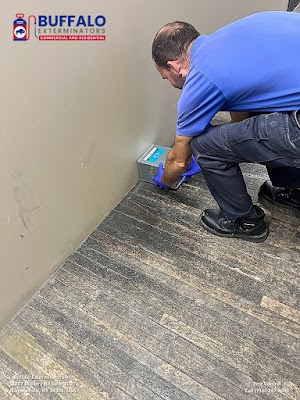
Most calls begin with urgency. Someone finds a spider in a bathtub or hanging behind a headboard. The safest removal method uses containment, not swatting. Place a wide-necked jar or plastic container over the spider, slide a piece of stiff paper or cardboard underneath to trap it, then carry it outside and release it away from the entry point. For web builders in corners, a vacuum with a hose attachment works well. Empty the canister into a sealed bag and discard it in an outdoor bin.
Where there is a suspect widow or recluse near areas with human contact, treat it as a medical risk. Wear gloves, closed-toe shoes, and a long-sleeve shirt. Use a sticky trap as a contact capture tool or a vacuum to remove both the spider and the web. If you prefer a direct kill, an pest control near me alcohol spray (70 percent isopropyl) can knock down the individual spider without leaving pesticide residue indoors. Save chemical insecticides for targeted applications that support a broader plan, not ad hoc spraying in living areas.
Where professionals start: inspection that does not miss the obvious
A thorough pest inspection reads like a story of how arthropods use the structure. Outside, I walk the perimeter with an eye level at foundation height. I am looking for dampness at hose bibs and AC condensate outlets, stacked firewood, leaf litter, gaps under doors, and overgrown vegetation that touches siding. These elements explain why webs cluster in certain corners and why spiders keep coming back after you knock the webs down.
Inside, the inspection focuses on transitions. Door frames, window sashes, baseboards at exterior walls, utility chases, and the rim joist area in basements often hide entry points. I shine a light along the plane of the surface. That shallow angle reveals web filaments, egg sacs tucked into tight seams, and even live spiders that flatten themselves in cracks. In cluttered garages, I check the underside of shelves and the backside of cardboard boxes. Cardboard holds humidity and smells faintly of starch, which attracts insects. In other words, it is a spider buffet sign.
What many people miss is air flow. If you can feel a draft under a door or through an outlet, insects can trace that same draft, and spiders will follow. I carry smoke pencils for this reason. They show where to add weatherstripping, caulk, or door sweeps, which reduces both insect and spider activity without a drop of pesticide.
Setting expectations around pest control treatment
Spiders differ from roaches or ants in how they interact with insecticides. Roaches groom themselves, so they ingest residual products readily. Many ants move through treated zones in predictable trails. Spiders, especially web builders, have minimal contact with surfaces. Their long legs reduce the body’s exposure to chemical residues, and they can avoid treated areas by suspending themselves. That is why a professional pest control service combines products with physical removal, sanitation, and structural improvement.
Expect a spider control plan to include three elements. First, reduction of food sources through broader insect control. If the property runs high on flies, gnats, moths, or springtails, spider pressure will persist. Second, removal of webs and egg sacs. Vacuums and extendable websters do more to reset the environment than a can of anything. Third, targeted applications. I use long-lasting microencapsulated pyrethroids at exterior transition points when appropriate under the label, botanical oils in sensitive areas, and dusts for voids where webs and egg sacs cluster. The label is the law. A licensed pest control technician chooses formulations based on safety, exposure risk, and realistic efficacy.
Practical options for eco friendly and green pest control
Some clients request organic pest control. It is a reasonable preference if you understand the tradeoffs. Botanical products with rosemary, geraniol, clove, or peppermint oils have good knockdown on contact, plus repellent effect in the short term. Residual life is shorter than synthetic options, especially outdoors where sun and rain break oils down quickly. Diatomaceous earth or silica dust can help in dry voids, provided you apply thinly. Thick piles clump and lose effectiveness.
Successful green pest control still rests on habitat change. Fix moisture, remove clutter, install weatherstripping, and keep lights off or on warmer color temperatures at night to reduce insect attraction. As a rule, the greener the chemistry, the more important the physical controls. That is not a limitation, it is an invitation to make structural fixes that also save energy.

The quiet power of integrated pest management
Good spider control fits neatly inside integrated pest management. IPM pest control is not a marketing slogan. It is a sequence of decisions. We monitor before we treat. We set thresholds. We choose non-chemical interventions first. We apply insecticides only when the expected benefit exceeds the risk and we can place them precisely. We evaluate post-treatment results and adjust.
For spiders, IPM means sticky monitors placed discretely in garages, basements, and behind appliances to track activity rather than guess. It means setting a threshold like this: tolerate the occasional cellar spider in a rarely used storage room, but reduce activity to near zero in bedrooms and play areas. It means sealing utility penetrations with backer rod and silicone, not just spraying the gap. It also means teaching a homeowner why sweeping webs weekly matters. Web removal denies spiders their hunting platform and, more importantly, removes egg sacs that would fuel the next generation.
What an exterminator actually does during a service visit
Clients sometimes expect a fogging event that wipes the slate clean. That approach does not fit spider biology or modern safety standards. A typical residential pest control visit for spider control follows a measured sequence. After inspection and client interview, the technician knocks down webbing along eaves, soffits, porch lights, and window frames. Indoors, we vacuum webs in high corners, around window wells, and in basements. If monitors show widow activity in a garage, for example, I will inspect wall voids at the bottom plate, then apply a labeled dust with a hand duster into those voids, focusing behind baseboards and at the garage-to-house door frame. On the exterior, I may band treat the lower foot of foundation with a residual, then treat around light fixtures and under siding laps where appropriate. If the property backs up to a field with heavy insect pressure, I adjust the approach to include vegetation trimming and lighting changes.
For commercial pest control, like a restaurant or warehouse, timing matters. We schedule when the space is quiet, coordinate access to rooflines and loading docks, and address nighttime lighting that draws swarms. The work is not glamorous. It is steady, careful, and repetitive, which is what long-term control requires.
When the problem is not just spiders
Many spider problems ride in on bigger pest issues. I once serviced a boutique that had persistent webbing in the front display windows. The staff cleaned glass every day, yet within a week the corners looked like the set of a haunted house. The real issue was a broken door sweep and two light fixtures that ran bright white overnight. The fixtures pulled in moths, lacewings, and midges all night long. Spiders took the invitation. We replaced the sweep, adjusted light timing to shut off after close, and swapped bulbs to warmer color temperature. Webbing dropped by 80 percent within a month, and the storefront looked like a storefront again.
Another example: a basement that never quite dried out after summer storms. You could smell it, a mineral dampness. That basement hosted camel crickets and silverfish. Spiders built along the joists. We added a dehumidifier, sealed sill gaps, and moved storage to plastic bins with lids. With fewer insects to hunt, spiders thinned out naturally. We still performed a pest treatment at first, but the structural changes carried the long-term result.
Safe cleanup after heavy activity
If your garage or shed has thick webbing, approach cleanup in layers. Wear gloves and eye protection. Start with a dry removal of webbing and egg sacs. A long-handled duster or vacuum keeps debris out of your face. Then wipe surfaces with a mild detergent solution. Detergent breaks down web proteins and removes trace scents that may cue spiders to rebuild in the same spots. If you use a household pesticide spray afterward, choose a product labeled for the surface and the pest, and test a small area first to avoid staining. In tight spaces like electrical boxes or door frames, avoid liquid sprays and use ready-to-use aerosol crack and crevice products or dusts made for those voids. Never overapply. A light, even application at targeted locations beats a broad soaking every time.
Child and pet safety that goes beyond labels
Labels matter. So does how you live. In homes with toddlers or pets, I lean toward exterior-focused treatments, void dusts behind sealed access points, and interior placements that are either out of reach or fully contained. Sticky traps are simple and effective in protected placements behind furniture and appliances, but check them frequently and keep them away from small fingers and paws. If a client insists on interior residual sprays, we choose low-odor, water-based formulations and treat after bedtime or when the family can be out for a few hours. Ventilate afterward. A professional pest exterminator will walk you through each option and explain tradeoffs rather than assure you that everything is “non-toxic.” Nothing is truly non-toxic. The goal is controlled exposure and smart placement.
Timing and frequency for lasting results
For residential pest control, I recommend an initial service with follow-up in two to six weeks, then a quarterly pest control schedule for maintenance in most climates. In coastal or heavily wooded areas, monthly pest control may be justified in the peak season, typically late spring through early fall, when insect populations surge. Frequency is not only about reapplying products. It is about maintaining the exterior perimeter, knocking down new webbing, monitoring for shifts in species, and staying ahead of conditions that change with weather and landscaping.
Emergency pest control or same day pest control makes sense if you discover multiple black widows in a child’s play area, or a brown recluse colony in a bedroom closet. For general spider sightings, a prompt but scheduled visit within a few days is usually fine. Patience combined with steady action wins.
Costs, value, and the myth of cheap pest control
“Affordable pest control” means value, not the lowest invoice. Spider control can be included in a general home pest control plan that also addresses roaches, ants, and seasonal invaders. Expect a one-time pest control service to range widely with region and scope. A home with simple exterior webbing and a few interior hot spots takes less time than a large property with outbuildings, high eaves, and heavy clutter. If the work includes ladder time to three stories or specialized access equipment, factor that into both cost and scheduling.
When comparing a pest control company, look for licensed pest control and insured pest control status, the willingness to explain product choices, and a plan that names tasks you will see performed. Reliable pest control reads like a checklist you can observe, not a mystery. The best pest control providers talk about prevention as much as removal.
The role of lighting, landscaping, and architecture
Exterior lighting is one of the most underrated pieces of spider management. Bright, cool-white fixtures attract flying insects. Webs accumulate around porch lights and entryways and then you have a nightly cycle of catch and rebuild. Warm LED bulbs reduce attraction, and motion sensors keep lights off when not needed. Position lights to throw illumination outward rather than directly on the doorway.
Landscaping touches the house more often than people realize. When shrubs press against siding or ivy climbs up a wall, you create bridges for insects and spiders. Keeping a clear band of 12 to 18 inches around the foundation, with gravel or clean mulch, makes a noticeable difference. Raised bed edges often harbor spiders under the capstones. Seal gaps and treat those voids sparingly.
Architecture plays a role too. Homes with deep soffits, stone veneer with many mortar voids, and decorative trim harbor more webbing opportunities. That does not mean you must redesign. It means focus your pest management on those features: caulk gaps in stone veneer transitions, clean soffits seasonally, and treat behind trim only where inspection shows consistent activity.
When spiders point to structural problems
A few spider patterns serve as red flags. Consistent webbing around a bathroom window suggests a moisture leak or failing caulk. Heavy activity along a garage wall that shares space with a kitchen can indicate a gap at plumbing penetrations that should be sealed for both pest and energy reasons. Webs inside recessed lights in a vaulted ceiling often mean attic access from gaps around the cans. Each of these conditions costs far more in comfort and energy than a pest treatment. IPM ties pest control to building performance. The result is a tighter, cleaner, and safer home.
A homeowner’s short action plan
- Reduce the food chain: fix moisture, control indoor gnats and flies, and keep outdoor lights warm-colored or on motion. Close the doors: install door sweeps, repair screens, and seal utility gaps with backer rod and silicone. Remove the scaffolding: knock down webs weekly for a month, vacuum egg sacs, and declutter storage areas. Target the hot spots: place sticky monitors in garages and basements, and use alcohol spray or a vacuum for single spiders in living areas. Call for backup when needed: if you find widows or recluses, or repeated webbing despite action, schedule a professional pest control service.
Peace of mind through process, not panic
A calm approach beats late-night bottle spraying. Start with your environment. Dry the dampness, dim the attractants, and close the gaps. Use physical removal and monitoring to break the cycle. Bring in a pest control specialist when you encounter medically significant species, heavy pressure in sensitive spaces, or a pattern that hints at hidden structural issues. A local pest control provider who practices integrated pest management will fold spider control into broader insect control. That synergy matters. If you control the insects that spiders hunt, you reduce the reason for spiders to move in.
Over the years I have watched homes transform from web-draped porches and nervous bed checks to quiet, predictable spaces where a spider sighting becomes rare and unremarkable. The path from here to there is not dramatic. It is practical. Inspect, correct, remove, and, when it serves the plan, treat with precision. Whether you prefer green pest control methods or conventional products, the long-term result rests on the same foundation: make your home a poor place for prey, and spiders will choose somewhere else to hunt.